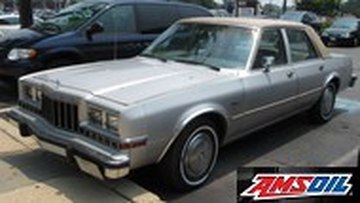
Engine Maintenance for the 1983 Dodge Diplomat
Maintaining an older vehicle requires consistent attention to fluid levels and component health to ensure long-term operation. For a 1983 Dodge Diplomat equipped with the 3.7L engine, focusing on cooling system integrity and lubrication management is essential for routine upkeep.
What coolant or antifreeze products are listed for my 1983 Dodge DIPLOMAT 3.7L?
The following products are listed for this vehicle: ANTPC1G-EA (Passenger Car & Light Truck Antifreeze & Coolant) and ANT1G-EA (Low Toxicity Antifreeze and Engine Coolant).
Engine Oil Management
The engine oil serves as the primary lubricant for moving internal components, reducing friction and helping to manage heat within the engine block. Regular monitoring of the oil level is a fundamental maintenance task. Checking the oil level frequently allows you to identify potential leaks or consumption issues before they lead to mechanical complications. When performing an oil change, ensure that the oil is clean and free of contaminants such as sludge or debris. If you notice the oil appearing milky or cloudy, this may indicate that coolant has entered the lubrication system, which requires immediate inspection.
Cooling System Integrity
The cooling system is responsible for regulating engine temperature to prevent overheating. Beyond selecting the correct antifreeze products listed for your vehicle, it is important to inspect the physical components of the cooling system. Check hoses for signs of cracking, softening, or bulging, as these can lead to pressure loss or sudden failure. Inspect the radiator for debris that might obstruct airflow and check the water pump area for any signs of weeping or active leaks. Maintaining a proper coolant mixture helps prevent internal corrosion and ensures the fluid can effectively transfer heat away from the engine.
Fluid Inspection Routines
A proactive approach to maintenance involves regular visual inspections of all vital fluids. While the cooling system and engine oil are primary concerns, other fluids play critical roles in vehicle operation. Periodically check levels and the physical condition of fluids to ensure they meet the necessary standards for your specific application. Discoloration, unusual odors, or a gritty texture in any fluid can be early indicators of component wear or system contamination. Establishing a routine inspection schedule helps catch minor issues before they escalate into more significant repair requirements.
Identifying Potential Leaks
Leaks are a common occurrence in aging vehicles and can stem from various sources, including gaskets, seals, and hose connections. When inspecting your 1983 Dodge Diplomat, look for wet spots on the engine block, pooling fluids on the ground beneath the vehicle, or oily residue on the underside of the hood. Identifying the source of a leak is vital; for example, an oil leak may require attention to the valve cover gasket or oil pan, while a coolant leak might involve a radiator hose or a thermostat housing. Addressing leaks promptly helps maintain correct fluid levels and prevents environmental contamination.
Maintaining Engine Cleanliness
Keeping the exterior of the engine relatively clean can assist in maintenance by making it easier to spot new leaks or cracks in components. While heavy cleaning should be done with caution to avoid damaging electrical connections or sensitive sensors, removing accumulated grease and dirt helps you monitor the condition of hoses and belts more effectively. A clean engine bay allows for better heat dissipation and provides a clearer view during routine inspections, ensuring that any changes in the mechanical state of the vehicle are easily noticed.
BUYING ENGINE OIL
When it comes to buying engine oil, always consult your owner's manual or the manufacturer's maintenance schedule to ensure you are following the correct procedures for your specific engine. Focus on selecting products that meet the requirements outlined by the vehicle manufacturer. When shopping, look for clear labeling regarding the intended application and follow any guidance provided in your documentation regarding service intervals and fluid types.